What AI is
AI systems learn patterns from large amounts of data instead of following fixed rules. From these patterns they make predictions: the right category, the next number, the next word.

Insights · AI
AI has arrived in everyday work, often faster than the rules for it. Anyone using AI should know how it works, where it gets things wrong and which data it may see. Since February 2025 the EU AI Act has expected companies to take care of this too.
By Michele Mangieri · Updated
In short
AI literacy means knowing how AI works, where it gets things wrong and which data it may see. Since February 2025 the EU AI Act has expected this of companies too, including those that use AI tools such as ChatGPT or Microsoft Copilot at work. The depth required depends on each person's role and use of AI.
AI fundamentals
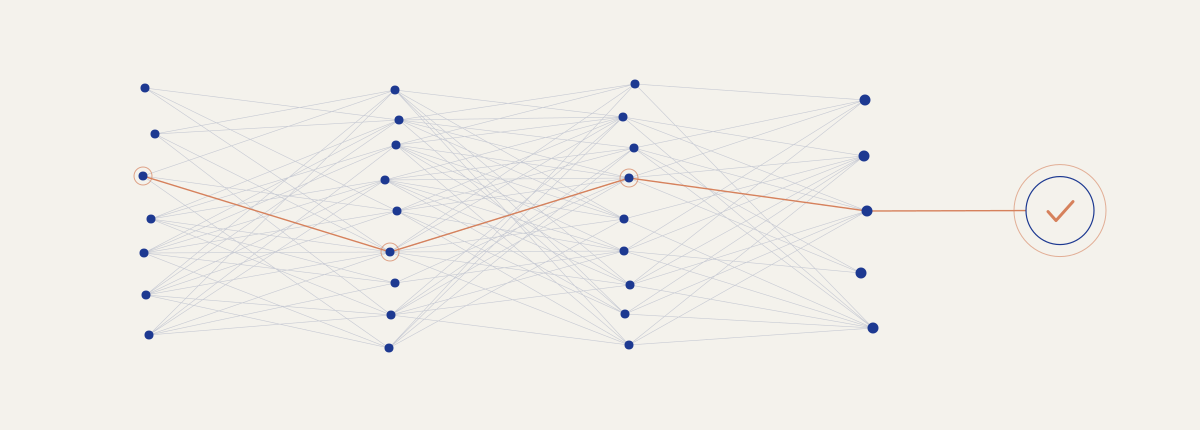
AI systems learn patterns from large amounts of data instead of following fixed rules. From these patterns they make predictions: the right category, the next number, the next word.
ChatGPT, Claude and Microsoft Copilot calculate which word is likely to come next. They write fluently, but they do not know whether something is true.
Language models sometimes invent facts, sources or figures and sound confident doing so. Results are checked before they are used.
Good results need context: goal, audience, examples, format. A clearly described task saves rework.
Whatever is entered into an AI tool may leave the company. Personal data and confidential information only go into approved tools.
AI agents use tools and complete several steps on their own. They need clear limits, approvals and someone who is accountable for the result.
EU AI Act
Legal basis: Article 4 of Regulation (EU) 2024/1689 (AI Act), as amended by Regulation (EU) 2026/1744. This article gives an overview and is not legal advice.
What matters
We work AI first ourselves: Claude, Claude Code, ChatGPT and various AI agents are part of our everyday architecture work. Every day we see where AI saves time and where a trained eye catches the errors.
Want to use AI in your company with a clear purpose? AI Decision Readiness →
Frequently asked questions
Companies take measures that support the AI literacy of their staff. That is what Article 4 requires as amended, applicable since July 2026. The obligation has applied since 2 February 2025 to providers and deployers of AI systems. No certificate is required.
Because language models sometimes invent facts, sources or figures and sound confident doing so. They calculate which word is likely to come next and write fluently, but they do not know whether something is true.
Personal data and confidential information only go into approved tools. Whatever is entered into an AI tool may leave the company, clear rules set out which tools are approved and which data must stay out.
From its own cases, not from slides. That means taking stock of the AI tools in use, including those nobody has approved, setting clear rules, training by role and practising with real tasks from your own area.
You describe the decision ahead. We tell you which package fits, or that none does.