maxClaint

Services · Package with defined scope

“Our leadership wants AI. We don’t know where it pays off.”

AI Decision Readiness

Is an AI agent worth it? Get the answer before you invest.

AI agents complete tasks on their own: they gather information, assess it and act. The potential is significant – and so is the risk.

Duration2–3 weeks
FormatRemote, 3 sessions
Scopeagreed up front
OutcomeDecision paper
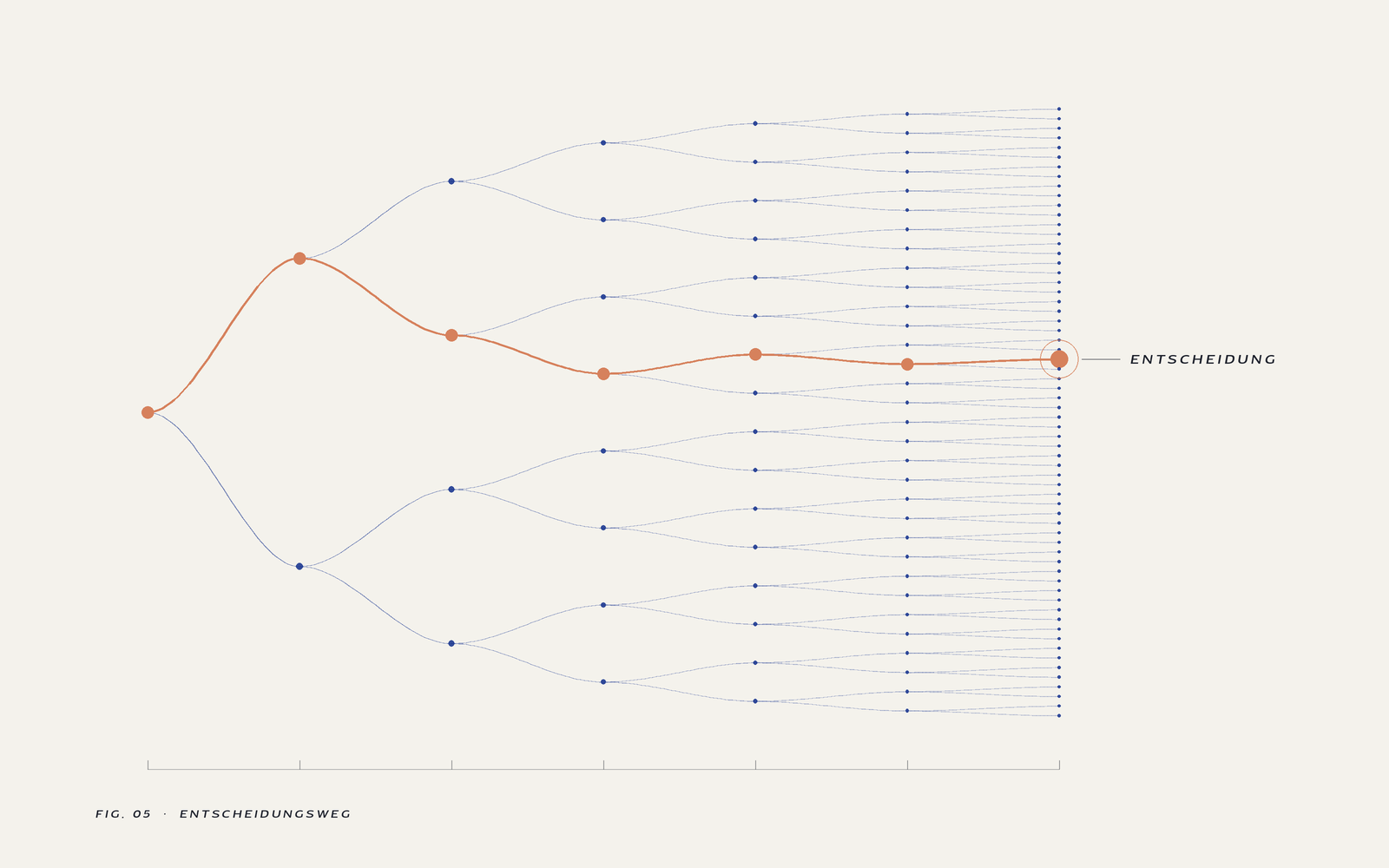
Graphic: a tree of branches in which one path to the decision is highlighted.

The review

Three questions, one clear decision.

Gartner expects more than 40% of agentic AI projects to be cancelled by the end of 2027 due to escalating costs, unclear business value or inadequate risk controls. AI Decision Readiness addresses exactly these three points – before budget is committed.

Question 1

Is the task a fit for an agent?

We assess whether the task occurs often enough, requires judgement each time, and whether the relevant systems and data are accessible. If a task always follows the same path, conventional automation is often cheaper and more reliable – which is a valuable outcome, too.

Question 2

How much autonomy is appropriate?

We build on the AI Decision Matrix from the MIT Center for Information Systems Research, which classifies decisions by ambiguity and risk. The result defines where the agent may act on its own, where a human approves – and who owns the agent.

Question 3

Does the business case hold?

We set benefits against costs transparently: volume, time saved and automation rate on one side; operations, human oversight, error costs and build effort on the other. A sensitivity analysis shows where the case tips.

Sources: Gartner, press release of 25 June 2025; MIT Center for Information Systems Research (CISR), “Designing Decision Rights for AI”, 2026. Gartner is a registered trademark of Gartner, Inc. and/or its affiliates.

Who it is for

When the AI idea is there, but the decision is not.

Business units, IT and executive leadership facing a decision on a concrete AI use case – in large enterprises and mid-sized companies alike.

What you receive

A paper that leadership can decide on.

  • A well-founded recommendation: agent, workflow automation, or deliberately no AI
  • The right level of autonomy, with approval points and named ownership
  • A business case based on your figures, benchmarked against industry data
  • If positive: a target architecture and next steps – including integration with SAP and other systems

How it works

Four steps, fixed dates.

Clearly defined scope and timeline: two to three weeks, three sessions – use-case intake, assessment, results.

  1. Step 1Advisory call30 minutes by video. You describe the decision ahead.
  2. Step 2Scope and proposalYou receive a proposal with scope, dates and price on one page.
  3. Step 3Analysis and workshopsWe review documents, talk to business and IT, and assess options.
  4. Step 4Decision paperA recommendation with its reasoning. Assumptions and open points are marked.

Frequently asked questions

Before you get in touch.

What do you need from us?

One contact in the business unit, one in IT, and the existing documents on the initiative.

What if the result is “don't do it”?

Then you have learned that early and with reasons. That, too, is a decision the review is meant to deliver.

Do you also implement afterwards?

On request we accompany implementation through Architecture Advisory. The review does not commit you to it.

30 minutes, and you will know whether we can help.

You describe the decision ahead. We tell you which package fits, or that none does.

Start an enquiry